Gas Line Installation and Repair in Fort Lauderdale, FL
Gas work has no room for guesses. If you smell gas, leave first and call from outside. For new lines, moved appliances and repairs, the dispatcher connects you with a licensed local contractor.
Need a gas line installed or fixed?
Tell the dispatcher which appliance it feeds and whether you smell gas.
(754) 320-541224/7 phone lineIf you smell gas, do this first
Gas odor steps
- Leave the building right away and take everyone with you.
- Do not flip switches, use a phone inside, light a flame or start a car in the garage.
- From outside, call 911 or the gas utility's emergency number.
- Do not go back in until the utility or fire department says it is safe.
- Call a plumber for the repair after the leak has been made safe.
Natural gas has an added odor that smells like rotten eggs. Propane has a similar smell. Treat any such smell as real.
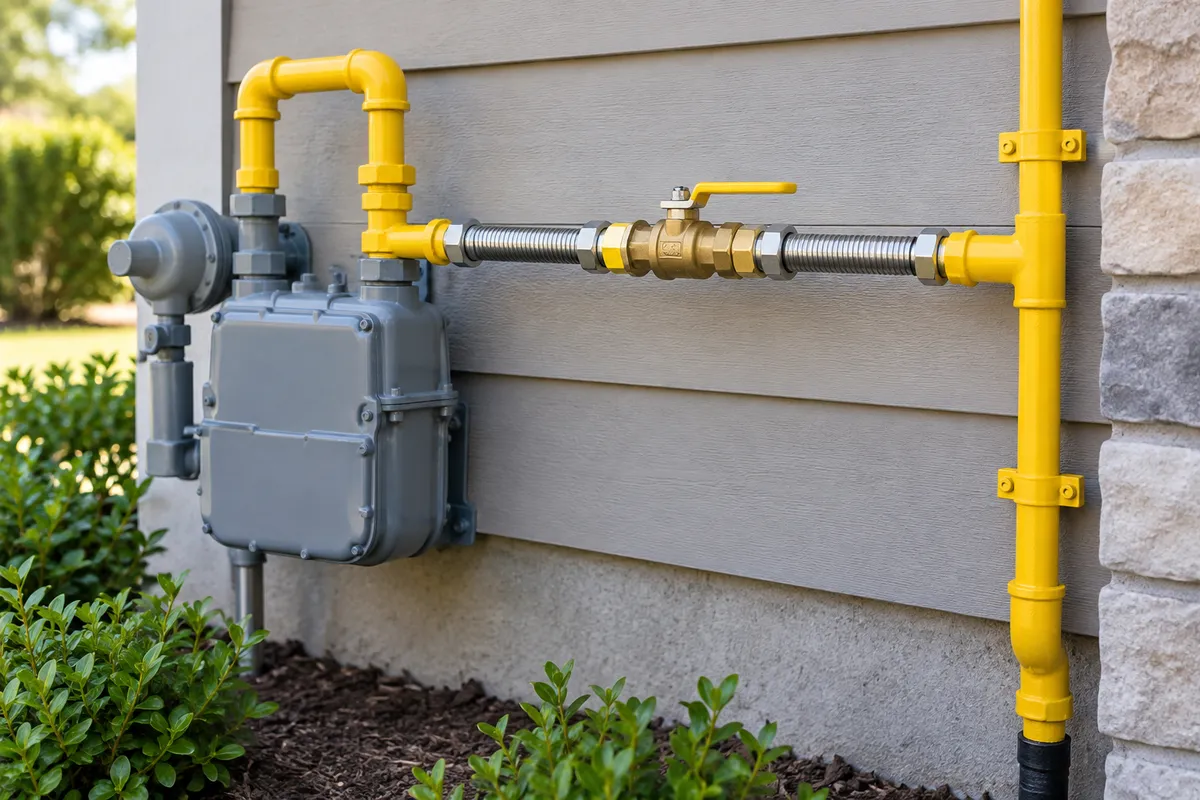
A plumber is not a replacement for the gas utility in an emergency. The utility can shut off service at the meter. The plumber repairs the piping on your side of the meter after that.
What gas line work includes
Gas piping on a residential property usually starts at the meter and runs to each appliance. Common jobs include adding a line for a range, moving a dryer, connecting a tankless heater, running a line to an outdoor kitchen or fire pit, and replacing a corroded section.
Repair work starts with finding the problem. A pressure test shows whether the system holds. Fittings, flexible connectors and shutoff valves at the appliance are the usual weak points. Older steel pipe can rust, especially outdoors where Florida humidity and salt air reach it.
| Job | What it involves | Related work |
|---|---|---|
| Range or cooktop line | New branch line, shutoff valve and a pressure test | Kitchen remodel |
| Dryer line | Branch line and a rated flexible connector | Laundry moves |
| Tankless water heater | Larger pipe to carry the needed flow | Tankless service |
| Outdoor grill or fire pit | Buried or surface-run line with proper protection | Patio projects |
| Replacing worn connectors | New flex connector and shutoff valve | Appliance swaps |
| Suspected small leak | Soap test or electronic detector, then a repair | Smell of gas |
Permits and testing
New gas lines and most modifications need a permit and an inspection. The licensed contractor pulls the permit, not you. The inspector usually looks at the pipe size, the materials, the supports and the pressure test.
Sizing matters. Each appliance has a rated input, and the pipe has to carry the combined demand without a pressure drop. A line that is too small can make a heater cut out when the stove is on.
Natural gas or propane?
Many Broward homes use electric appliances and have no gas service at all. Some use natural gas from the local utility, and others use a propane tank. The fuel type changes the regulator, the pipe sizing and the orifice in the appliance. Say which one you have when you call.
- Describe the jobSay which appliances you want connected or moved and where they sit.
- Confirm the fuelNatural gas and propane need different parts. Tell the dispatcher which you use.
- Review the scopeAsk what pipe, permit and test the quote includes.
- Schedule the inspectionThe contractor books the city inspection and the appliance is used only after approval.
Hooking up a new appliance
Renovations bring gas calls. Owners buy a stove, a fireplace insert or a grill and need a line to it.
Stoves and fireplaces
A range needs a shutoff valve and a rated connector. A gas fireplace insert needs a line sized for its input and a safe route. Both need a pressure test before use.
Grills and outdoor appliances
Outdoor lines are buried or run along a wall. The pipe must resist weather and be protected from damage. Give the dispatcher the distance from the meter or tank.
Switching between natural gas and propane
An appliance can often be converted with a kit, but the regulator and orifice change. The conversion must match the manufacturer's instructions. Ask whether the contractor handles conversions.
Fort Lauderdale notes
Coastal air is hard on exposed steel. Outdoor regulators, meter fittings and unprotected pipe corrode faster near the water. Coated pipe and fittings made for outdoor use help. Check any exposed line for flaking rust or bubbling paint.
Condos and apartments add another layer. Gas inside a unit may be controlled by the association, and work may need written approval from the building. Ask the property manager before you schedule.
What changes the price of gas line work
- Distance
- A longer run needs more pipe and more labor.
- Pipe material
- Black steel, CSST and coated pipe cost and install differently.
- Access
- Open attic space is faster than a finished wall or a concrete floor.
- Number of appliances
- Each outlet adds fittings and test time.
- Permit and inspection
- Cities charge fees and the contractor may bill the time.
Ask for the price in writing, including the permit fee, before the work begins.
Questions people ask before they call
Leave the building, avoid switches and flames, and call 911 or the gas utility from outside. Wait for clearance before going back in.
Usually yes. New lines and many modifications need a permit and an inspection, and the licensed contractor handles both.
Moving the appliance is one thing, and changing the gas piping is another. Pipe changes should be done by a licensed contractor and pressure tested.
A buried or wall-mounted meter from a utility means natural gas. A tank on the property means propane. Your bill or the appliance label also says which.
Causes include a low supply pressure, a dirty pilot, a worn thermocouple or an undersized pipe. A technician can check the pressure at the appliance.
Connectors should be replaced when an appliance is moved or replaced. Do not reuse an old connector that has been bent or stressed.
Yes, in most homes that already have a gas line. Tell the dispatcher the appliance and where the line ends.
Cost depends on distance, pipe type and access. Ask for the permit fee and the pressure test as part of the quote.
Many can, with a manufacturer's kit. Ask whether the contractor performs conversions, and give the model number.
A pressure test and a check of connections is the usual inspection. Ask what the report includes.
Gas line work in Fort Lauderdale?
Describe the appliance, the fuel type and where it sits. The dispatcher explains what the contractor will need to see.